This term's topics
English - Our next unit is based around Oscar Wilde’s Stories for Children. This collection of fairy tales will give us the opportunity to explore the way that authors use different tenses and effective dialogue to create engaging stories. We will also learn how to use colons, semi-colons and dashes to punctuate our own writing. We will then combine all of these skills to create ’twisted fairytales’ of our own. After that, we will be exploring biographies. We will read about the lives of people who survived in difficult and dangerous places, like Ernest Shackleton and Aron Ralston, and develop the use of brackets and adverbials within our own writing. We will then write biographies of our own.
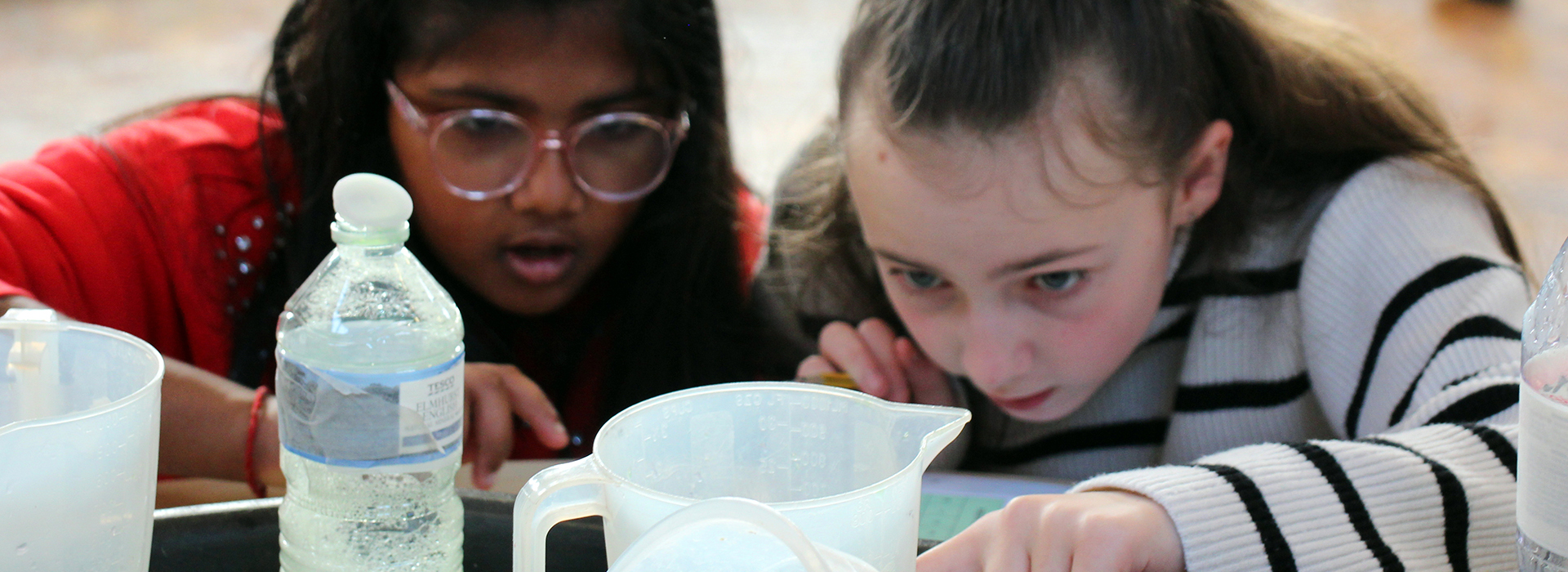
Maths - We will begin the half-term by investigating measures. We will do lots of practical work to secure our understanding of what metres, kilograms, grams, litres and millilitres ‘look’ and ‘feel’ like. We will then focus on converting between units, using our knowledge of multiplying and dividing by 10, 100 and 1000. Drawing all of this together we will complete this topic by developing our problem solving skills, using jottings, drawings and bar models to support our work. Finally, we will round off the term by exploring percentages. We will start by linking these to our knowledge of fractions and decimals, and then begin to calculate percentages of numbers, measures and amounts.
Science - Our next science topic will see us investigating the life cycles of lots of different living things - from mammals to amphibians to insects to birds. We will identify the different stages that each creature goes through, and explore similarities and differences between them all. This will also link in with our Big Talk sessions in March, helping us to learn about human life-cycles.
Humanities - We will be continuing our exploration of Ancient Greece, and learning about their Gods, wars, myths, clothes, theatre and governments. We will also be looking carefully at how this civilisation fits into the timeline of periods we already know about, and considering how Greek civilisation influenced those that followed (particularly the Romans), and how we still use Ancient Greek ideas (and words) today. We will also be exploring Greek Gods and myths, which will tie in with our work in English.
Take a look at our curriculum map for more information on our topics.